






Economy Policy
Nearly 58% of global workforce still trapped in informal employment: ILO report






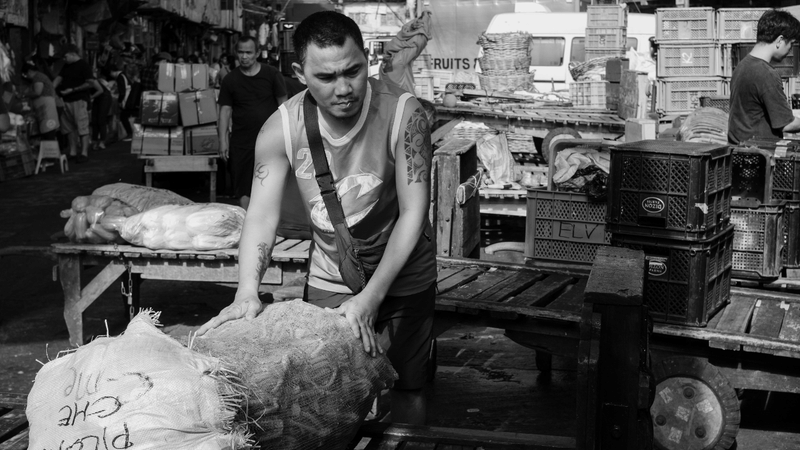
Workers experiencing time-related underemployment, unstable contracts, or part-time employment are significantly more likely to hold informal jobs.
Informality continues to define the reality of work for a majority of the world’s workforce, with nearly 58% of workers globally engaged in informal jobs, according to a new analysis by the International Labour Organisation (ILO).
The report warns that informal employment is no longer confined to low-income sectors or vulnerable groups, but has become a systemic feature of labour markets worldwide.
The findings challenge traditional assumptions about who is affected by informal work. According to the ILO, no type of job is fully protected from the risk of informality. Workers ranging from dependent contractors and contributing family workers to employees in formal enterprises and even public sector institutions face varying degrees of informal employment.
Under the standards adopted by the 21st International Conference of Labour Statisticians in 2023, informal employment refers to work that is not effectively covered by labour legislation, taxation systems, or social protection arrangements, either in law or in practice.
The report highlights that contributing family workers remain the most exposed to informality, with nearly all such workers holding informal jobs in most countries studied. Dependent contractors also face extremely high informality rates, reaching nearly 100% in many nations. Even among employees, considered comparatively more protected, informality remains significant.
The ILO’s analysis further reveals that informal jobs are not limited to the informal sector alone. In several countries, a large share of informal employment exists within formal businesses. In places such as Nauru and Brunei Darussalam, informal jobs in the formal sector account for a substantial proportion of all informal employment.
Domestic work also remains a major contributor to employee informality in some economies. Countries including Lesotho, Laos, and Costa Rica report particularly high shares of informal employment among domestic workers employed by households.
Sectoral data show that agriculture continues to account for the largest concentration of informal jobs globally, representing roughly one-third of all informal employment. Wholesale and retail trade, manufacturing, and construction also contribute significantly.
The report notes that workers in elementary occupations, craft trades, and agriculture-related roles are among the most vulnerable to informality. However, even managers, professionals, and highly educated workers are not entirely insulated. In Brunei Darussalam, for instance, one-quarter of informal workers possess advanced levels of education.
Education levels continue to show a strong correlation with informality. Workers with limited education are disproportionately represented in informal jobs, with informality rates reaching as high as 90% to 100% among workers lacking basic education in several countries.
The analysis also underscores that informality extends into the public sector. While informality rates are generally lower in government employment than in private businesses, countries such as Timor-Leste and Cambodia report public sector informal employment rates exceeding 50%.
Beyond legal and regulatory gaps, the ILO warns that informal employment is closely tied to broader decent work deficits.
Workers experiencing time-related underemployment, unstable contracts, or part-time employment are significantly more likely to hold informal jobs. In countries including Cambodia, Laos, Malawi, and Nigeria, informality among underemployed workers exceeds 90%.
Temporary workers are also consistently more exposed to informality than those with permanent contracts, although the report notes that even permanent employment does not guarantee formal working arrangements.
The ILO concludes that informality must be viewed not as a marginal issue affecting isolated sectors, but as a deeply embedded labour market challenge that cuts across industries, occupations, and institutions. It argues that improved statistical tools and better-quality labour market data will be critical in designing policies capable of addressing informality and advancing decent work globally.
Author
Loading...
Loading...